
Is an Ipoh Day Trip from Kuala Lumpur Right for You?
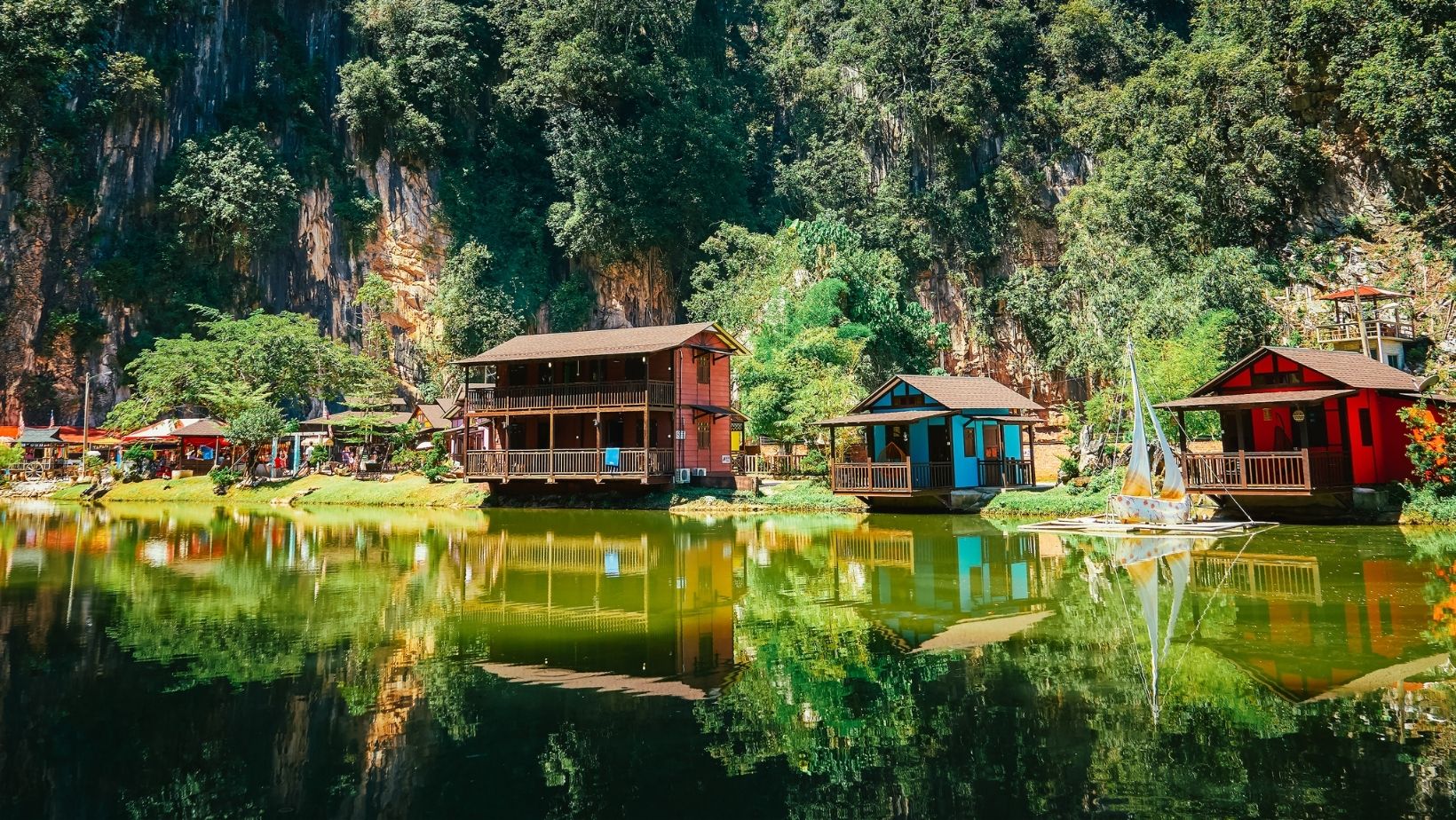
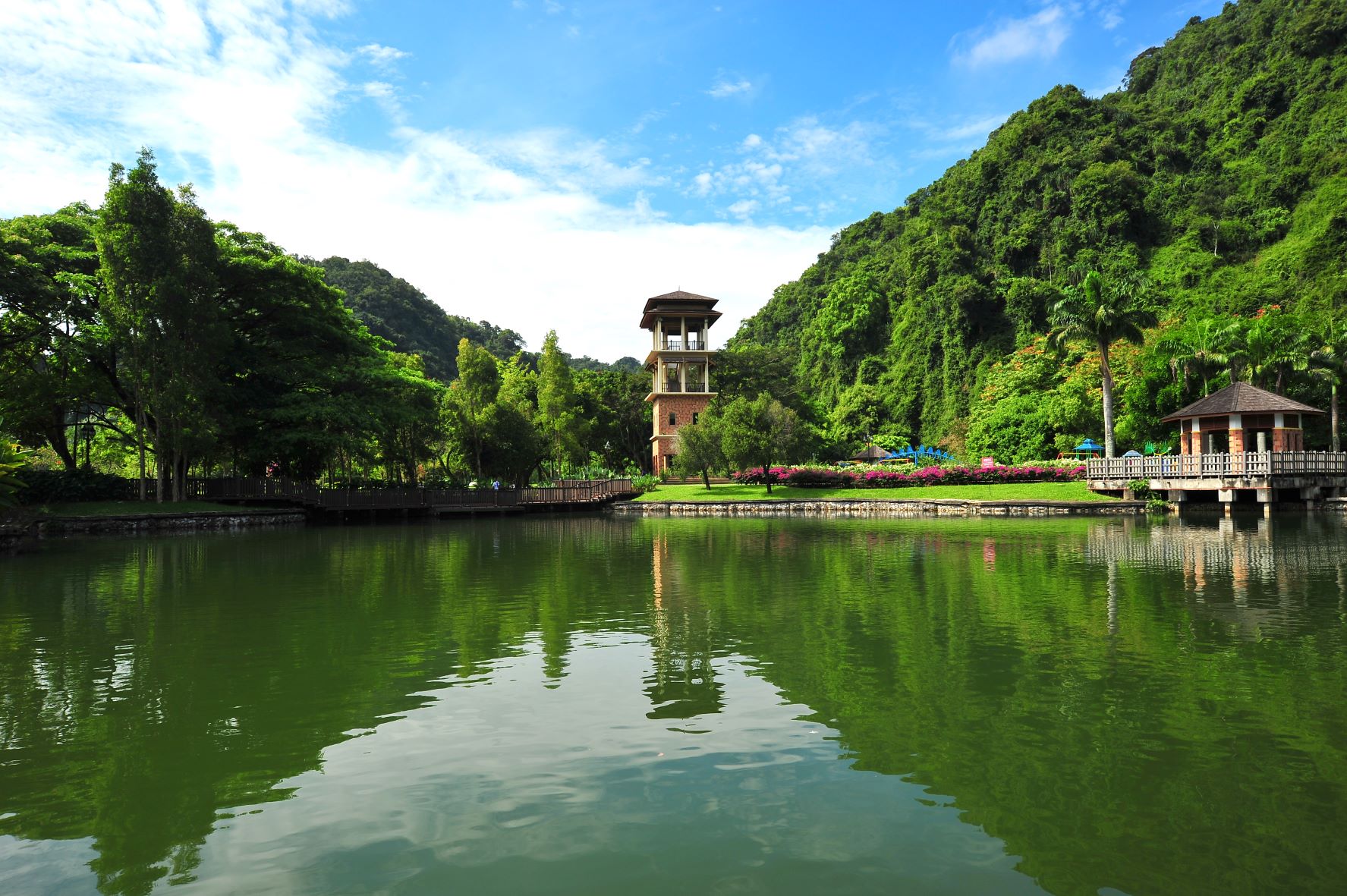
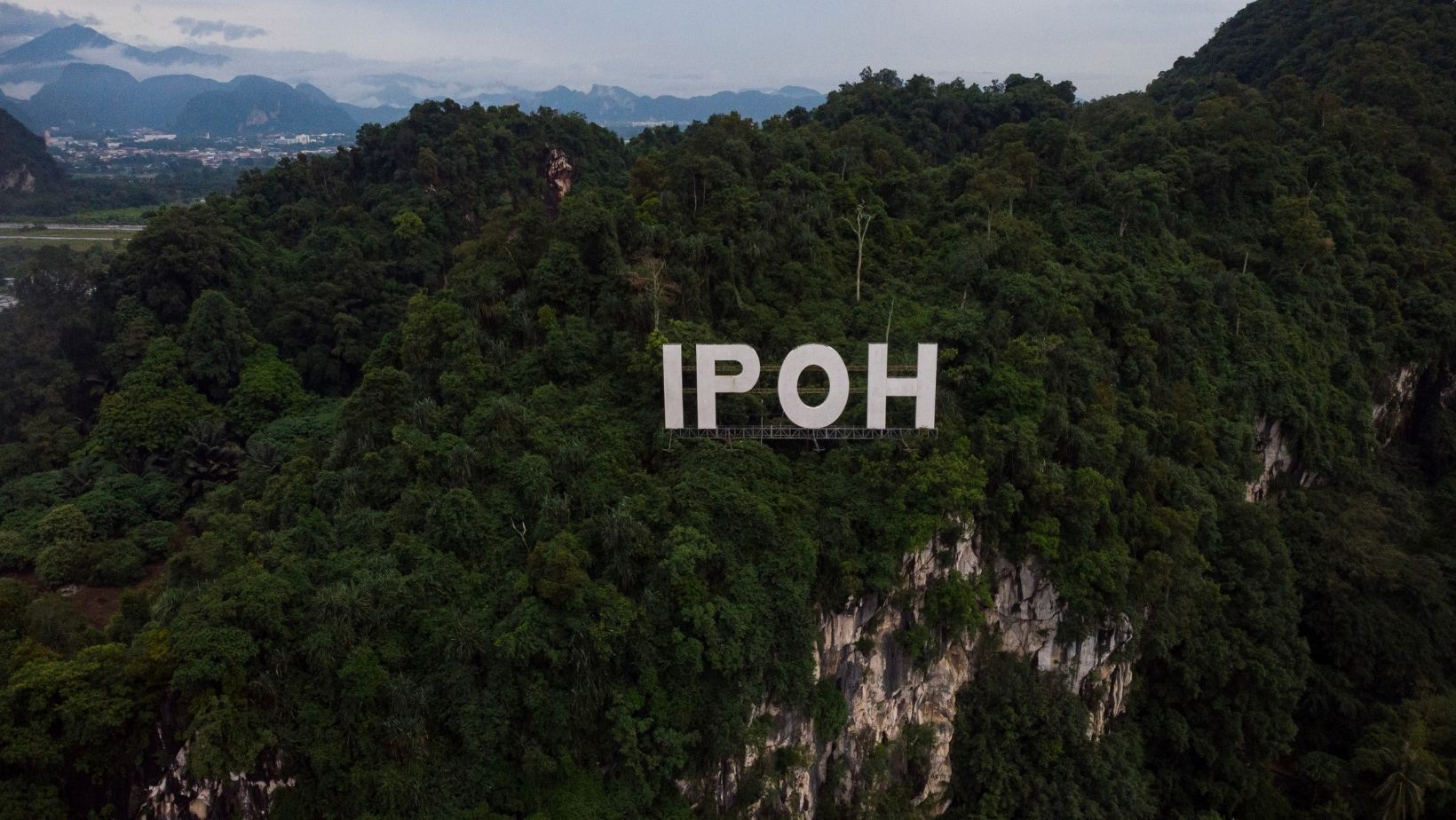
Ipoh makes a rewarding private day trip from Kuala Lumpur for travellers who want to combine heritage buildings, limestone scenery, local food culture, and a slower Old Town atmosphere in one day. The city is about 180–200 km north of Kuala Lumpur and is known for its former tin-mining history, white coffee, cave temples, and colonial streetscapes. This full-day private tour is designed to make the long journey worthwhile, with a 7:00 AM hotel pickup and a relaxed return to Kuala Lumpur after the day’s sightseeing.
Your group travels in a private air-conditioned vehicle with a driver-guide, so there is no shared-coach timetable to manage. The route brings together Ipoh’s key landmarks and leaves room for photos, a coffee stop, or browsing in the Old Town. It is a good fit for couples, families, and small groups who want an easy way to see Ipoh without arranging a train, car hire, or separate local transport.
What Will You See on an Ipoh Day Trip?
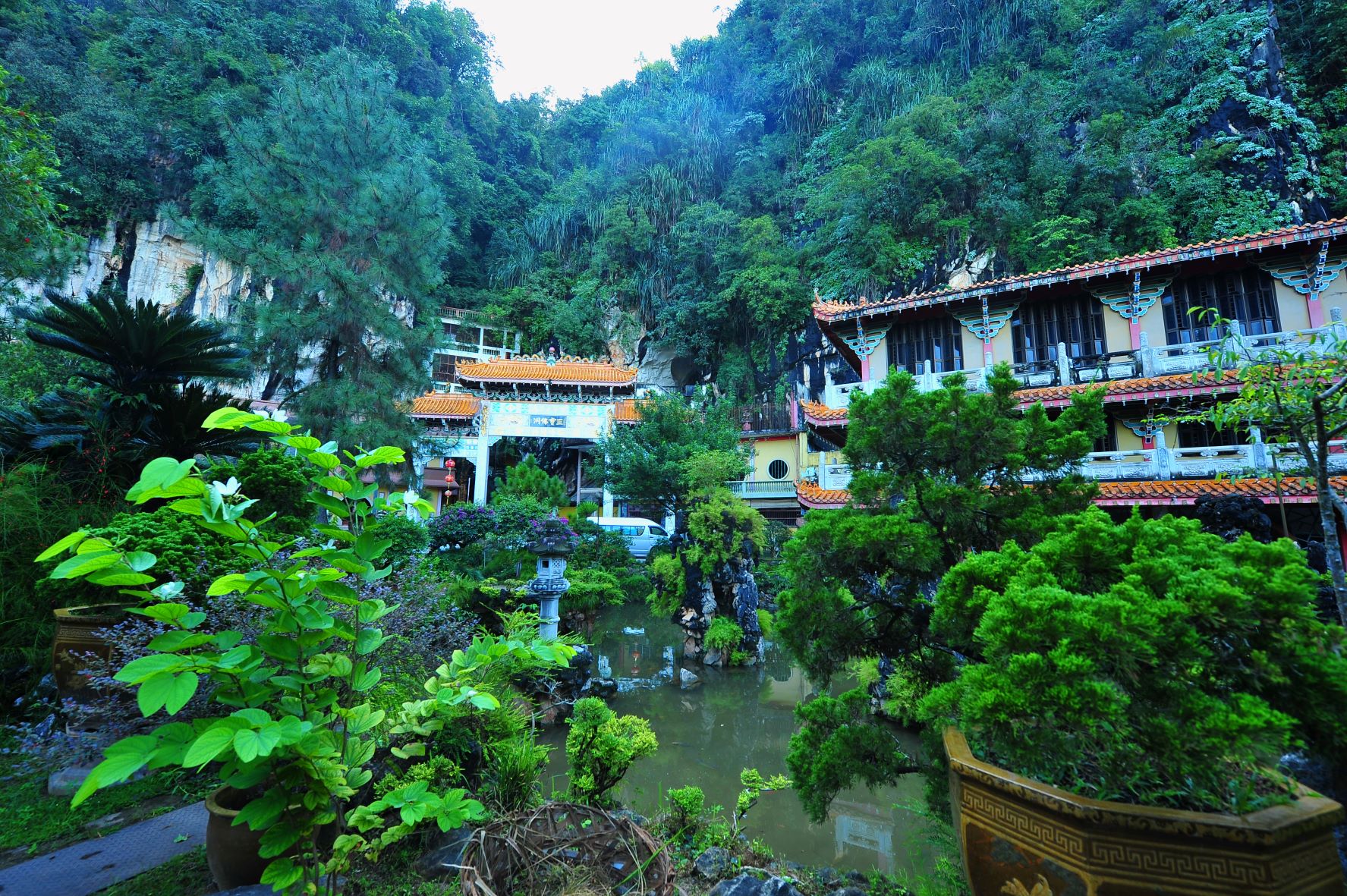
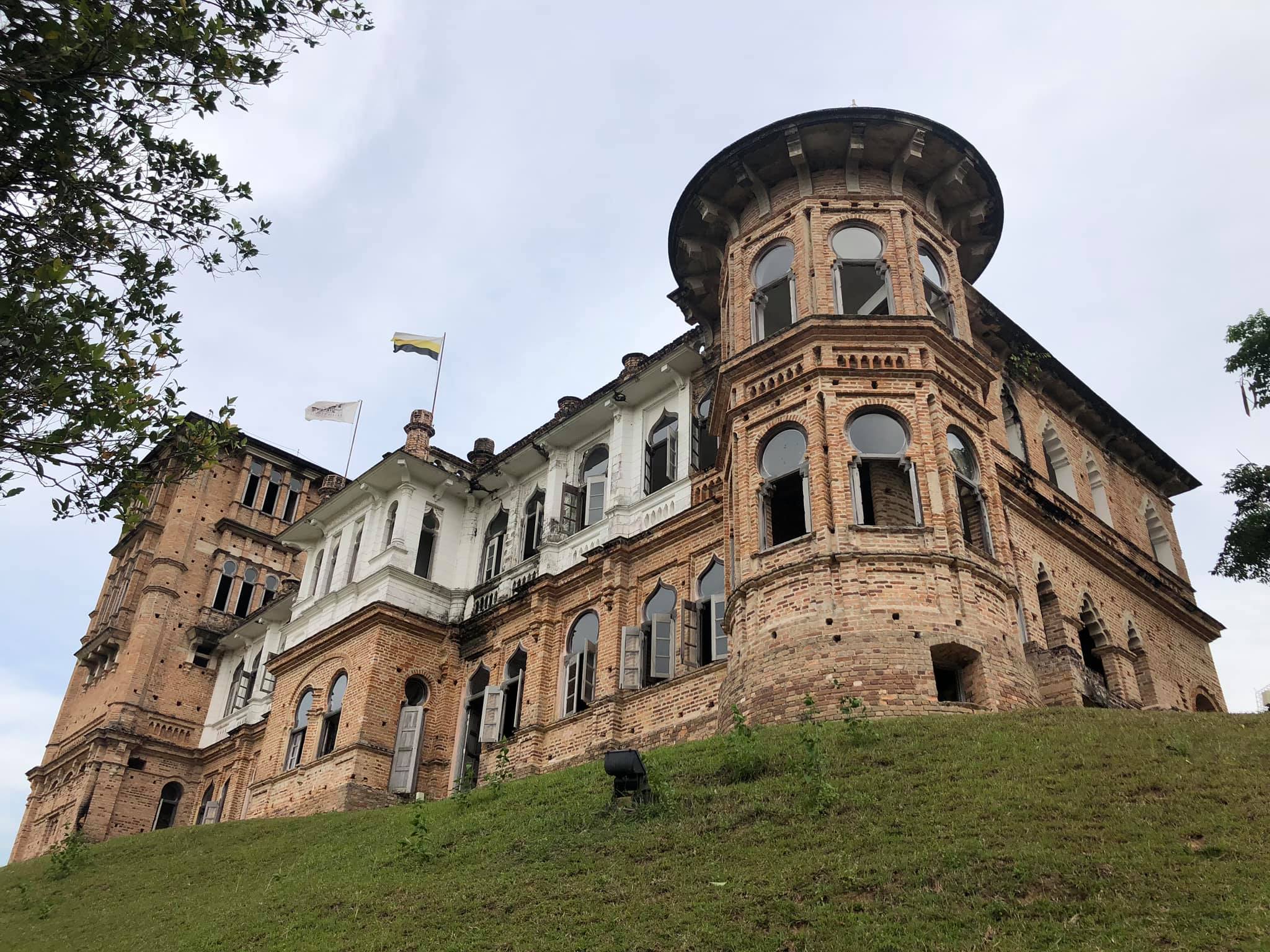
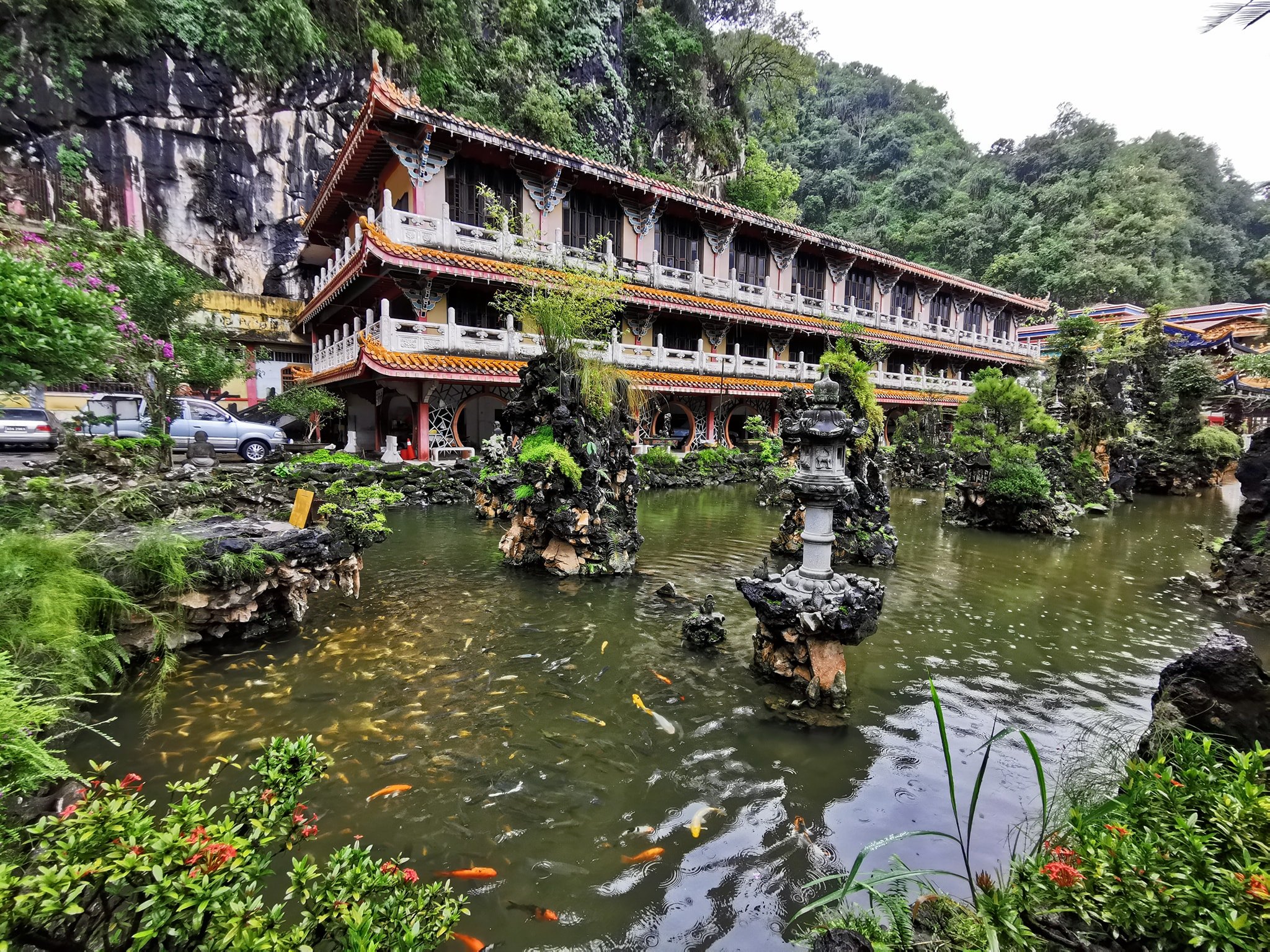
The day usually begins with Kellie’s Castle, an atmospheric unfinished mansion near Batu Gajah. Its arches, corridors, towers, and blend of architectural influences make it one of the area’s most distinctive heritage stops. Admission to Kellie’s Castle is included. From there, the tour visits one of Ipoh’s limestone cave temples, chosen on the day according to opening hours and crowd levels. These temples sit within the karst hills around the city and combine natural formations with religious art and peaceful spaces for a short walk.
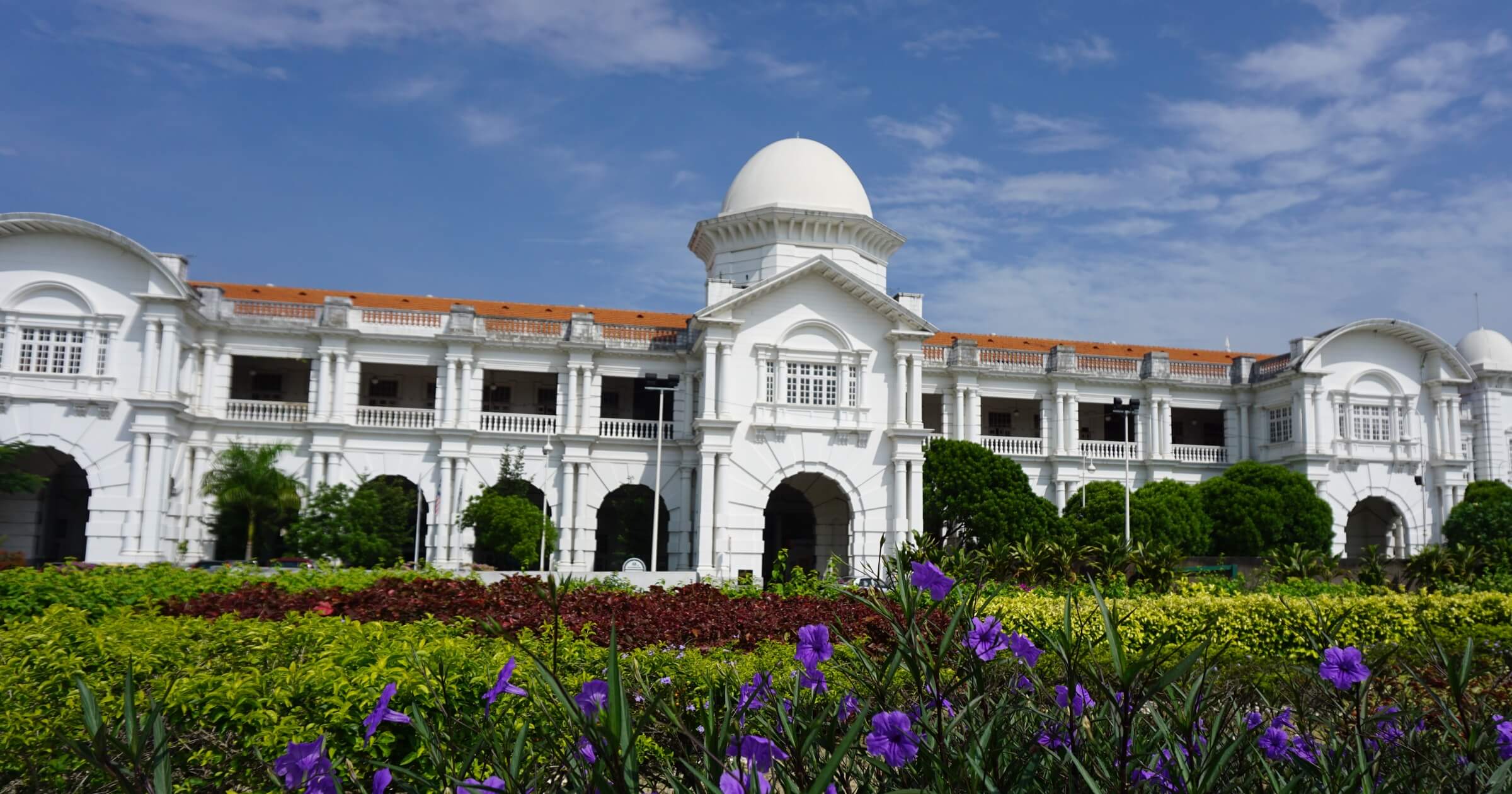
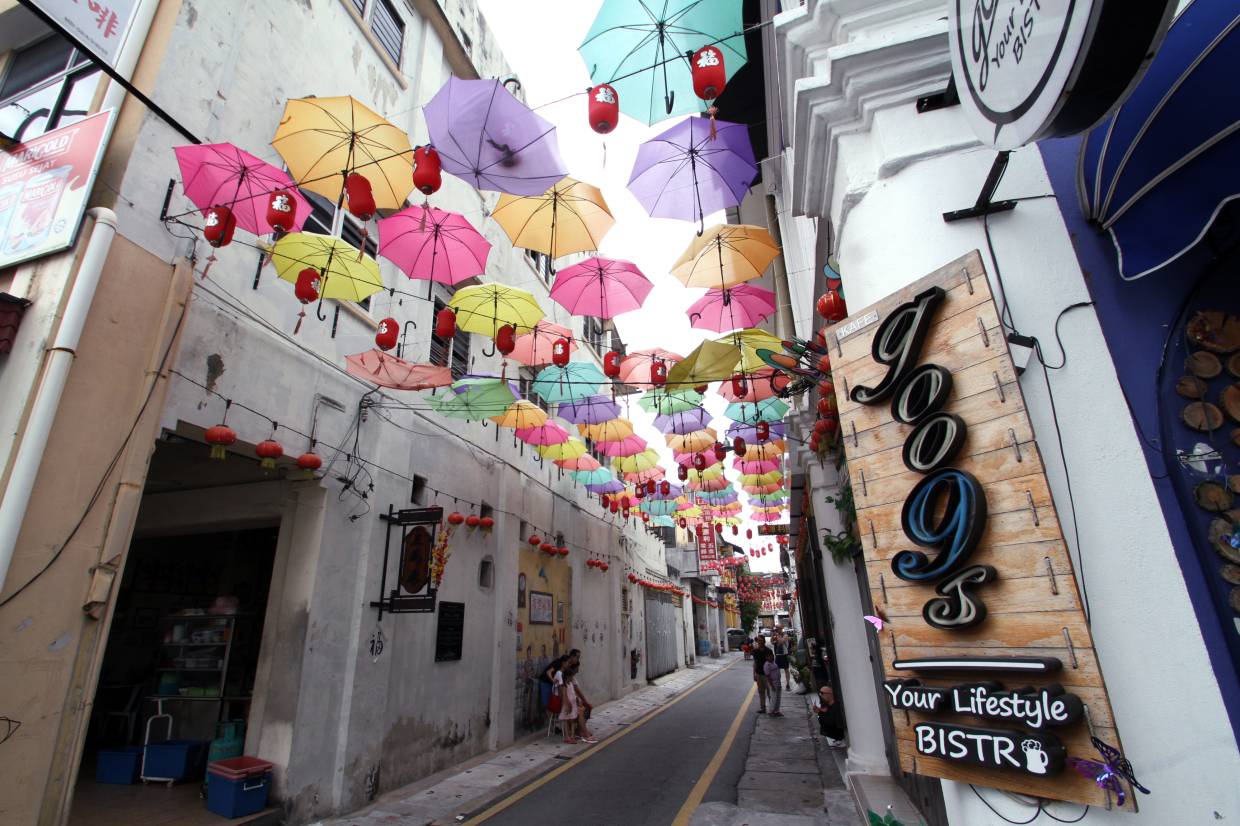
In Ipoh Old Town, you can explore the lanes and restored shophouses around Concubine Lane, where cafés, snack stalls, boutiques, murals, and souvenir shops make an easy break in the middle of the day. This is the place to try Ipoh white coffee, kaya toast, or other local food at your own expense. The tour also covers the city’s landmark buildings, including Ipoh Railway Station, Ipoh Town Hall, and the Birch Memorial Clock Tower, giving context to the city’s colonial and mining-era past.
Why Choose a Private Ipoh Day Trip?
Ipoh is a long but comfortable day from Kuala Lumpur, and the private format helps the route work around your group. You can spend more time on photos, choose a suitable food stop, and move at a pace that suits your party. The exact order of stops may change for traffic, weather, opening hours, or local conditions, but the focus remains on the castle, cave-temple landscape, Old Town, and landmark architecture.
The tour is most enjoyable for guests comfortable with an early start and a full day on the road. Some stops have uneven ground or steps, particularly cave temples and Kellie’s Castle, so sensible walking shoes are recommended. It is not wheelchair accessible, and infant seats are unavailable.
What Should You Know Before Booking?
Bring sunscreen, a hat, comfortable shoes, a camera, and some cash for lunch, coffee, or souvenirs. A minimum of two adults is required. Pickup and drop-off are complimentary for hotels and residences within 5 km of the Petronas Twin Towers; guests staying farther out should confirm their meeting point or any additional pickup charge before booking. The detailed itinerary, inclusions, exclusions, and FAQs in the page-builder sections below remain the operational reference.